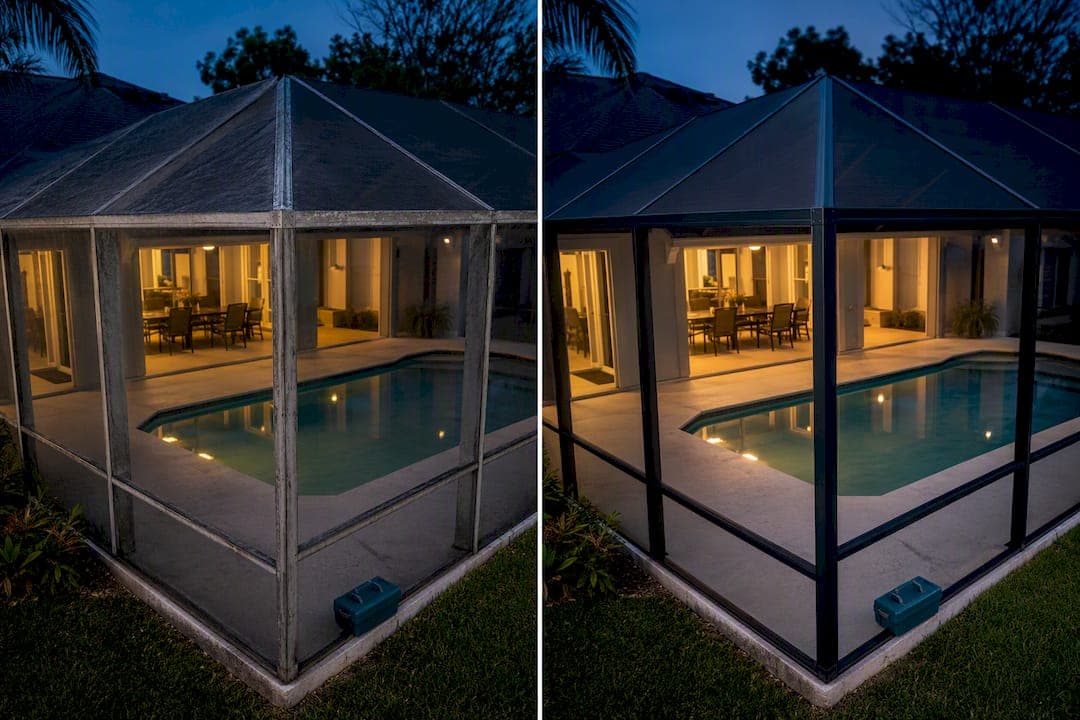
Yes, professional pool cage restoration commonly returns an enclosure to a like-new appearance and can add years of service life. The catch: lasting pool cage restoration results depend on stainless or Nylotech fasteners, an appropriate coating system, and correct installation, not just a fresh coat of paint. The photo gallery and warranty details below show you what separates a durable fix from a cosmetic patch job.
TL;DR:
- Using stainless steel or Nylotech fasteners significantly reduces rust recurrence and enhances the durability of the restoration compared to plain steel options.
- Proper hardware upgrades, especially fastener replacement, are critical for preventing rust stains from reappearing within a few years despite repainting or recoating.
- Full rescreening combined with high-quality coatings and fastener upgrades can extend the cage’s service life by years, often saving homeowners up to 60 percent over a rebuild.
- Quality restoration requires consistent tension in mesh panels, even paint coverage, and detailed project galleries that clearly list scope of work, materials, and fastener types.
- Always request an in-person inspection, an itemized scope, and specific material warranties before accepting a quote to ensure long-term results.
Table of Contents
- Project Gallery: What Before-and-After Photos Actually Show
- What Restoration Tasks Produce Which Visible Results
- What Materials and Workmanship Predict Long-Term Results
- How Long Does Pool Cage Restoration Take, and What Does It Cost?
- How to Evaluate Before-and-After Photos and Contractor Quotes
- Publisher Case Studies: How Mr. Pool Screen Documents Its Results
- Repair or Restore: When Each Choice Actually Makes Sense
- Getting a Restoration Quote from Mr. Pool Screen
- Sources
Project Gallery: What Before-and-After Photos Actually Show
Photos tell the truth faster than any sales pitch, but only if they are framed the right way. A useful before-and-after set shows the same angle, the same section of screen, and the same lighting conditions, so you're comparing the work, not the weather.
Here's what a solid project gallery typically documents, project by project:
- Full rescreen and repaint: an enclosure with sun-bleached, brittle mesh and chalky aluminum gets new heavy-duty screening and a fresh coat, with the before shot showing torn panels and rust streaks running down the frame.
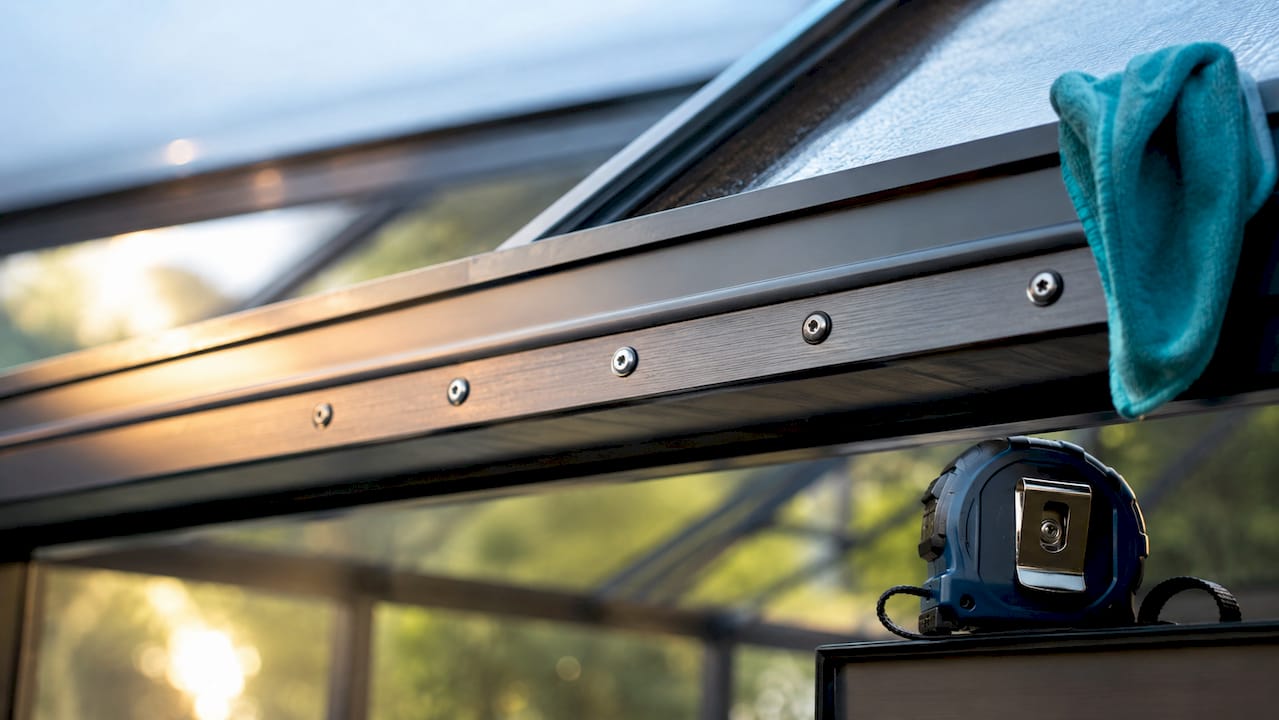
- Fastener upgrade close-up: a tight shot of the corner posts, before rusted screws with orange bleed stains, after clean stainless heads seated flush against the aluminum.
- Partial rescreen with spot repair: one damaged panel replaced while the rest of the mesh stays intact, useful for showing that restoration doesn't always mean redoing the whole structure.
- Structural bracing fix: a sagging roof panel straightened and re-braced, shown from underneath so you can see the corrected line against the roofline.
- Deck and cage combo: a stained concrete deck paired with a repainted cage, since the two projects often get quoted and photographed together.
When you're sizing up a contractor's gallery, look for hardware close-ups specifically. Homeowners trust project examples that include tight shots of screws and edges because that's exactly where a rushed or cheap job shows its weakness first. A quality restoration shows even paint coverage with no drips or lap marks, mesh with consistent tension across every panel, and fasteners that match in finish and are fully seated, not just started with a driver and left proud of the surface.
A gallery worth trusting also lists the scope of work next to the photos: what got rescreened, what got repainted, and what hardware changed, as seen in Sustainable Landscape Designs Los Angeles showcasing high-quality project presentations. Project pages that pair photos with a scope list and the materials used tend to convert skeptical homeowners faster than photos alone, because you can check the visible result against the actual work performed.
What Restoration Tasks Produce Which Visible Results
Every visible change in a before-and-after photo traces back to a specific task. Knowing which task produced which result helps you read a quote and a photo set with the same eye a contractor uses.
- Rescreening restores clarity and keeps bugs out. Old mesh goes cloudy, stretches, and eventually tears at the corners. A full rescreen swaps every panel; a partial rescreen replaces only the damaged sections, which works fine when the rest of the mesh still has good tension and no widespread sun damage.
- Repainting or recoating refreshes the frame and protects the aluminum underneath. Water-based acrylic coatings go on easier, dry faster, and hold up well in most Central Florida conditions, while high-solids polyurethane costs more but resists chalking and scuffing longer, which matters more on cages near heavy foot traffic or salt exposure.
- Fastener and hardware replacement stops the cycle of recurring rust. A screw that's already bleeding rust into the aluminum will keep staining the frame no matter how many times you repaint over it. Swapping to stainless or Nylotech fasteners breaks that cycle at the source.
- Structural bracing and splice repairs restore squareness. Panels that sag or bow usually trace back to a bent brace or a failed splice joint, not the mesh itself. Fixing the frame geometry before rescreening keeps the new mesh from stretching unevenly the way it would over a warped panel.
Skip step three and repaint anyway, and you get a cage that looks great for about a season before rust stains bleed back through the new finish.
What Materials and Workmanship Predict Long-Term Results
The materials list on a restoration quote tells you more about how the job will hold up than the before-and-after photos do. Two projects can look identical on day one and age completely differently five years later, and the difference almost always comes down to what's under the paint.
What to check on any quote:
- Fasteners: stainless steel or Nylotech screws resist corrosion; plain steel or reused screws are a common shortcut that guarantees rust bleed-through within a couple of years.
- Coating type: water-based acrylic coatings are durable and easier on the surrounding landscape, while high-solids polyurethane wears longer under heavy sun and salt exposure but costs more and takes longer to cure.
- Mesh grade: standard fiberglass mesh is fine for most residential cages, but heavy-duty or pet-resistant mesh holds tension longer and resists wind damage better on taller or more exposed enclosures.
- Installation technique: mesh pulled tight with a proper spline roller stays drum-tight for years; a rushed install with hand-pressed spline sags within a season and fails faster in wind.
Reusing plain steel fasteners is one of the most common cost-cutting shortcuts in this trade, and correct screw seating matters just as much as the fastener grade itself. A screw that's overdriven or crooked in its hole loosens the panel around it long before the mesh ever fails.
Pro Tip: Ask to see a close-up photo of the fastener heads on a completed project, not just the wide shot. If a contractor can't produce one, that's a gap worth asking about directly.
How Long Does Pool Cage Restoration Take, and What Does It Cost?
Timeline and cost both scale with how much of the cage needs work, not just its square footage. A small repair job, patching a few panels and swapping a handful of fasteners, typically wraps in one to two days. A full rescreen paired with a complete repaint runs anywhere from three days to two weeks, depending on cage size, height, and how much surface prep the aluminum needs before coating.
Cost brackets vary widely by region and scope, but the factors that move the price are consistent:
- Total cage square footage and roof height (taller cages need more scaffolding and labor time).
- Mesh grade chosen, standard versus heavy-duty or pet-resistant screening.
- Fastener grade, stainless and Nylotech cost more upfront than plain steel but save money on future repairs.
- Whether structural bracing or splice repairs are needed alongside the cosmetic work.
A complete quote should also itemize the extras that separate a professional job from a weekend patch: pool and deck protection during painting, full cleanup after the work, a materials warranty from the coating or fastener manufacturer, and a separate labor warranty from the contractor.
Restoration's biggest financial advantage is what it avoids. Mrpoolscreen's restoration approach can save homeowners up to 60% compared to a full cage rebuild, since you're refreshing and reinforcing an existing structure instead of tearing it down and starting over. That gap is exactly why restoration makes sense whenever the underlying frame is still sound.
How to Evaluate Before-and-After Photos and Contractor Quotes
Not every "restoration" photo set holds up to scrutiny. A few red flags separate authentic before-and-after documentation from marketing photos staged to look better than the work actually was.
- Watch for angle and lighting mismatches. If the before photo is shot in harsh midday sun and the after photo is shot at golden hour, you're not comparing the same conditions, and the improvement may be exaggerated.
- Check for missing hardware close-ups. A gallery with only wide shots of the whole cage, and no tight photos of fastener heads or spline channels, is hiding the exact spot where corners get cut.
- Look for captions describing the actual work. "Restoration complete" tells you nothing. A caption naming the mesh grade, fastener type, and coating used tells you everything.
- Ask direct questions before signing. What brand of fasteners are you using? What's the coating manufacturer and its warranty length? Can you show me a completed hardware close-up from a similar project?
A contractor with nothing to hide will hand over a documented labor warranty, the manufacturer's material warranty, and a portfolio that includes edge and hardware shots without being asked twice.
Pro Tip: If a quote reads "screen repair" without specifying panel count, mesh type, or fastener grade, ask for a revised, itemized version before comparing it against any other bid.
Publisher Case Studies: How Mr. Pool Screen Documents Its Results
Mrpoolscreen's project gallery documents completed restorations with photo sets and material specifications rather than vague before-and-after claims, which is the same standard this guide has been holding every gallery to.
Two examples from that documented portfolio illustrate what a full restoration actually looks like in practice:
- Full rescreen and repaint project: an aging enclosure with sun-damaged mesh and chalky aluminum finish was rescreened with heavy-duty mesh and recoated with a water-based acrylic system, with all fasteners upgraded to stainless steel during the same visit.
- Fastener-focused restoration: a cage with sound structure but rust-stained corner posts had every fastener replaced without disturbing the existing mesh, stopping the rust cycle without the added cost of a full rescreen.
Both projects reflect Mrpoolscreen's standard materials approach: water-based acrylic coatings for the finish and stainless fasteners for hardware, the same combination documented across its project pages.
If you're comparing quotes against these examples, match scope to scope. A fastener-only job and a full rescreen involve very different labor and material costs, so line up projects of similar size and condition before judging whether a price sounds fair.
Repair or Restore: When Each Choice Actually Makes Sense
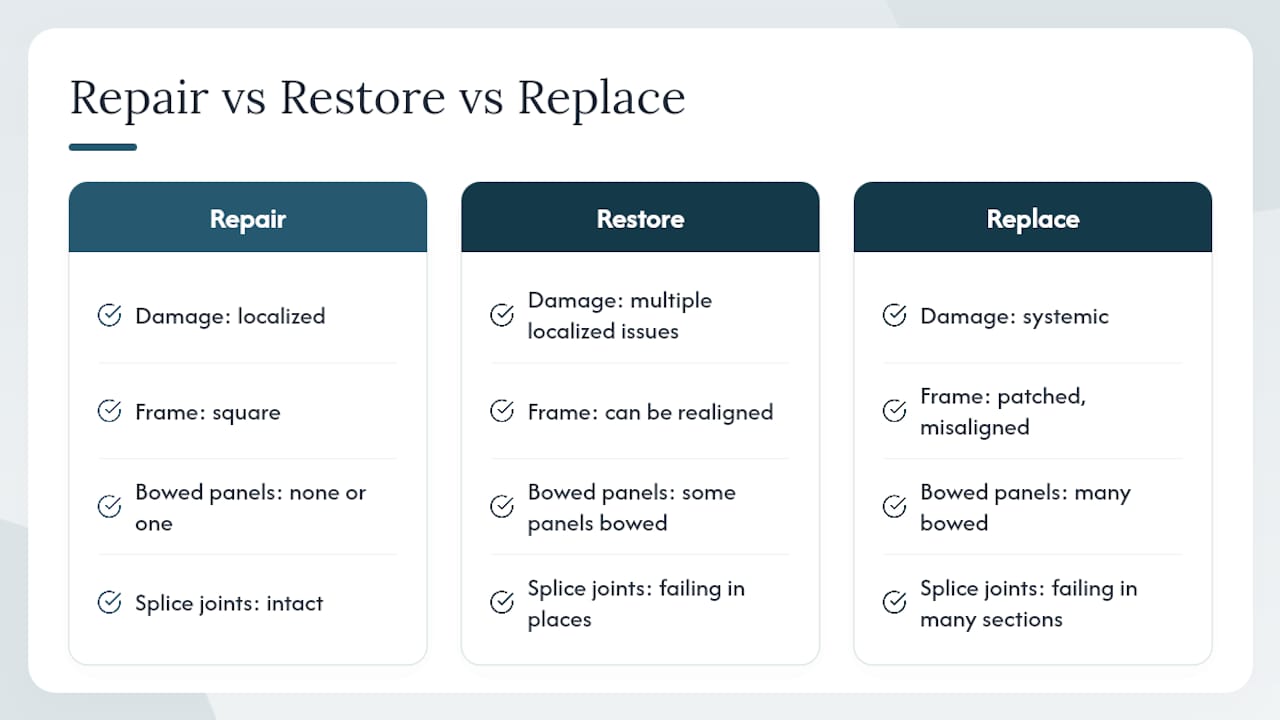
Repair when the frame is square and the problems are localized, rusted fasteners in a few spots, torn mesh on one or two panels, chalky paint that hasn't started flaking. Replace when the damage is systemic: multiple panels bowed, splice joints failing in more than one section, or a frame that's been patched so many times the corrections no longer line up.
The materials matter more than the labor bill. A restoration that skips stainless fasteners or uses a bargain coating will look identical to a proper job on day one and fail differently by year three. Verify the fastener grade, the coating brand, and get the warranty terms in writing before signing anything.
— Michel
Getting a Restoration Quote from Mr. Pool Screen
Mrpoolscreen restores weathered and rusted pool cages using water-based acrylic coatings and stainless fasteners, the same materials standard documented across its completed projects, without the cost or disruption of a full teardown and rebuild.
A proper estimate starts with an in-person inspection of the frame, screens, and hardware, not a phone quote. From there you should get an itemized scope of work (what gets rescreened, what gets repainted, which fasteners get replaced), a realistic timeline based on your cage's size, and written terms covering both labor and materials warranties. That's the same standard this guide has walked you through checking on any contractor's photos and quotes.
If your cage is showing rust streaks, sagging panels, or screens that have gone cloudy, request a restoration estimate and get a specific scope and timeline back before deciding between a repair, a full restoration, or a rebuild.
Sources
- Pool Cage Repair Sarasota: Fast Solutions That Last - Replace My Cage
- Pool Cage Restoration for a Southwest Florida Homeowner - Gulf Coast Aluminum