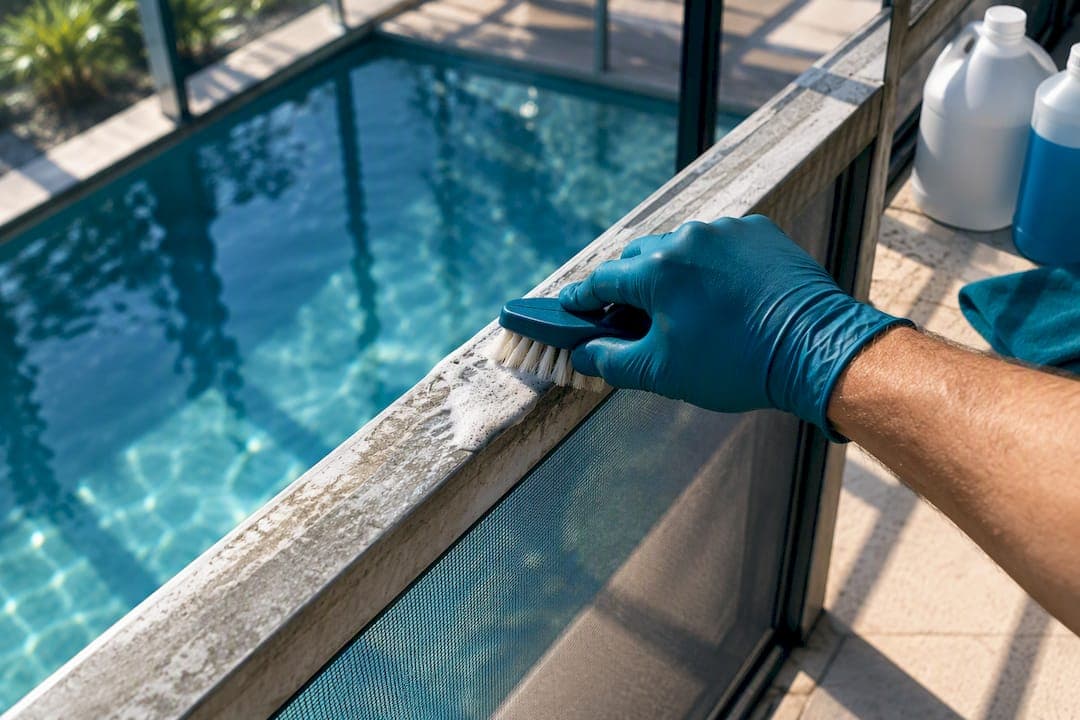
Trisodium phosphate (TSP) is the stronger cleaner for heavy grease, chalky siding, and other tough exterior jobs, while Simple Green is the easier, milder choice for interior walls, cabinets, and light paint prep. The right pick depends on how dirty the surface is, how sensitive the material is, and how much rinsing and protective gear you're willing to deal with.
TL;DR:
- TSP is ideal for heavy grease, soot, and chalky exterior surfaces, but requires thorough rinsing and protective gear due to its strong alkalinity.
- Simple Green suits lighter cleaning tasks such as interior walls and cabinet prep, offering easier cleanup and lower environmental risk.
- TSP's high pH can cause surface dulling or corrosion on polished metals, making testing on a hidden spot essential before use.
- Proper disposal involves diluting runoff and avoiding rinsing into storm drains, especially when phosphates are involved, to prevent environmental harm.
- For tough exterior buildup or chalky surfaces, TSP provides maximum cleaning power, while Simple Green works best for interior, light-duty, or delicate materials.
Table of Contents
- Comparing strength, safety, and cleanup across both cleaners
- Why the chemistry behind each cleaner produces different results
- Where each cleaner performs best on real surfaces
- What protective gear and precautions each cleaner requires
- Handling phosphates, runoff, and leftover product responsibly
- A simple process for mixing, testing, and rinsing safely
- Choosing the right cleaner for your project
- Where DIY cleaning ends and restoration work begins
- When it makes sense to bring in Mr. Pool Screen
- Where to read the original label and safety data
- Sources
- FAQ
Comparing strength, safety, and cleanup across both cleaners
TSP and Simple Green solve different problems, and the gap shows up clearly once you line up how each one handles strength, safety gear, rinsing, and environmental impact.
| Factor | Trisodium phosphate (TSP) | Simple Green |
|---|---|---|
| Cleaning strength / best for | Heavy grease, soot, chalky exterior paint, masonry | Light to moderate soil, hand oils, interior surfaces |
| PPE needed | Gloves, eye protection, long sleeves | Gloves and eye protection for concentrated use |
| Rinse / residue | Requires thorough rinsing to prevent alkaline residue | Minimal rinsing for most ready-to-use jobs |
| Environmental concern | Phosphates linked to eutrophication in waterways | Many formulations are phosphate-free |
| Product format | Powder, mixed to a working solution | Ready-to-use spray or diluted concentrate |
- TSP wins on raw degreasing power but demands more caution during mixing, rinsing, and disposal.
- Simple Green trades some strength for convenience, which suits homeowners who want a quick, low-fuss clean.
- Neither product replaces mechanical prep like scuff-sanding before paint goes on.
For a quick decision, heavy grease and exterior chalk lean toward TSP, while everyday cleaning and light paint prep lean toward Simple Green.
Why the chemistry behind each cleaner produces different results
TSP works because it's highly alkaline. PubChem lists trisodium phosphate as a strong base whose solutions can cause burns to skin and eyes, and that same alkalinity is what breaks down grease through a process called saponification, essentially converting fats into soap that rinses away. That strength can also alter a surface's texture slightly, which sometimes helps paint grip better, but it means TSP needs a thorough rinse or the leftover alkaline film can interfere with paint adhesion later.
Simple Green works differently. It relies on surfactants, compounds that lift soil and oil off a surface without the caustic bite of TSP. According to Sherwin-Williams, its Ready-to-Use Surface Prep formula is phosphate-free and non-caustic, built to clean and degrease ahead of painting without special protective gear for normal use. The trade-off is that surfactant cleaning rarely etches a surface the way TSP can, so it leans on the cleaning action alone rather than any mechanical boost.

Where each cleaner performs best on real surfaces
TSP earns its reputation on the toughest jobs. It cuts through heavy engine grease, soot buildup, and the chalky residue that forms on aging exterior paint, and it handles concrete or masonry well before a repaint. Bob Vila style guidance and painter forums consistently point to TSP as the go-to for exterior prep work where dirt has baked on for years.
Simple Green fits a gentler set of jobs:
- Interior walls and trim before a repaint, where light dust and hand oils are the main concern.
- Kitchen cabinets and other surfaces where minimal rinsing and a milder chemical profile matter.
- Quick spot cleaning where a ready-to-use spray beats mixing a powder.
One caution worth flagging: some DIY forum reports describe dulling or mild corrosion on polished or bare metal after repeated Simple Green exposure, a concern echoed in coverage from Family Handyman on cleaner trade-offs. Test any cleaner on a hidden patch first, especially on metal trim, aluminum screens, or anything with a delicate finish.
What protective gear and precautions each cleaner requires
TSP's alkalinity is the main hazard to manage, and the label backs that up directly.
- Wear gloves, eye protection, and long sleeves whenever mixing or applying TSP.
- Work in a ventilated area, since dust from the dry powder can irritate airways.
- Rinse treated surfaces thoroughly. Leftover alkaline residue can weaken paint adhesion later.
- Keep a hose or clean water nearby for immediate skin or eye flushing if contact occurs.
- Stop and call a professional if a spill reaches a large area, a storm drain, or a body of water.
An EPA product label for a chlorinated TSP formulation spells out similar precautions, including strong language about corrosivity and handling, which is why label instructions always take priority over general advice. Simple Green carries a lighter burden: gloves and eye protection are still smart for concentrated formulas, but its non-caustic profile means less risk of skin burns during normal use.
Pro Tip: Keep the container's original label in view while you work. Dilution ratios and first-aid steps vary by formulation, and guessing is how avoidable injuries happen.
Handling phosphates, runoff, and leftover product responsibly
Phosphates that wash into lakes and streams feed algae growth, a process called eutrophication that can choke off oxygen for fish and other aquatic life. That's part of why many household detergents dropped phosphates decades ago, and why Wikipedia's overview of TSP notes that most modern "TSP substitute" products swap in sodium carbonate instead.

In practice, that means never rinsing TSP runoff into a storm drain. Direct it to a treated wastewater system where local rules allow, dilute according to the label, and check municipal guidance before disposing of any leftover solution. If phosphate runoff is a real concern for your property or local waterway, a phosphate-free substitute or Simple Green's phosphate-free formula is the safer default.
A simple process for mixing, testing, and rinsing safely
- Put on gloves and eye protection before opening either product.
- Test a small, hidden patch first, especially on metal or painted surfaces.
- Mix TSP to the label's recommended dilution, or use Simple Green ready-to-use where applicable.
- Scrub with a stiff brush, working from the bottom up on vertical surfaces to avoid streaking.
- Rinse thoroughly with clean water, particularly after TSP.
- Scuff-sand or degloss before painting, since no cleaner replaces mechanical prep.
Avoid spraying TSP near plants without covering them, and skip it on bare aluminum or polished metal without a test patch first.
Choosing the right cleaner for your project
Match the cleaner to the job by weighing four things: how heavy the soil is, how sensitive the surface is, whether phosphate runoff worries you, and how much rinsing and gear you're willing to manage.
- Chalky, weathered exterior siding before repainting: choose TSP for its degreasing strength, then rinse completely.
- Kitchen cabinets or interior trim with light grime: choose Simple Green for easier cleanup and less PPE.
- Aluminum screens, polished metal, or anything you're unsure about: test both cleaners on a hidden spot first, and lean toward the milder option if either causes dulling.
If a project involves a chalky pool cage or similar exterior structure, the prep work matters as much as the paint itself. Our guide to chalky pool cage paint walks through diagnosing that issue before you reach for either cleaner.
Where DIY cleaning ends and restoration work begins
Most homeowners can handle a cabinet or a fence panel with either cleaner. Once rust, heavy chalking, or fastener corrosion enter the picture, especially on a pool enclosure, the prep work and rinsing tolerances get tighter than a weekend project can absorb.
— Michel
When it makes sense to bring in Mr. Pool Screen
Cleaning a pool cage is one thing. Restoring one that's rusted, chalking, or visually tired is a different job, and it's where Mr. Pool Screen focuses its work across Central Florida.

- We repaint enclosures with durable coatings and replace corroded hardware with high-quality fasteners.
- We also provide pool deck staining services for various surface types.
- Our restoration process can be more cost-effective than a full rebuild, and we offer a warranty on our services.
If your enclosure needs more than a cleaner and a scrub brush, request an inspection through our pool screen restoration page and get a plan built for your cage's actual condition.
Where to read the original label and safety data
- PubChem's TSP entry: chemical properties and hazard statements.
- EPA's TSP chlorinated product label: dilution rates and precaution statements.
- Wikipedia's TSP overview: chemistry, history, and environmental notes.
- Sherwin-Williams' Simple Green product page: manufacturer claims and use directions.
- Family Handyman's TSP substitute guide: practical comparisons and trade-offs.
Sources
- Trisodium phosphate dodecahydrate (PubChem)
- Are TSP Substitutes as Good as the Real Thing? — Family Handyman
- TRISODIUM PHOSPHATE CHLORINATED PINK — EPA product label (PDF)
FAQ
Is Simple Green as strong as TSP for cleaning?
No, real trisodium phosphate is generally the stronger degreaser, especially for heavy grease, soot, and chalky exterior paint. Simple Green works well for lighter jobs but often needs more passes on heavy soil, according to comparisons from Family Handyman.
Is borax the same thing as trisodium phosphate?
No, borax and trisodium phosphate are different compounds with different chemistry, though both show up in cleaning and laundry products. TSP is far more alkaline and a stronger degreaser, while borax is milder and used more often as a general household cleaner.
What can I use instead of trisodium phosphate?
Many commercial "TSP substitutes" swap in sodium carbonate or sodium sesquicarbonate, which clean effectively without TSP's high alkalinity, as Wikipedia's TSP overview explains. Simple Green is another common substitute for lighter cleaning and pre-paint prep where a milder, phosphate-free formula is preferred.
What surfaces should you avoid cleaning with TSP?
Avoid using TSP on bare or polished metal, delicate finishes, and plants without protective covering, since its alkalinity can etch or discolor sensitive surfaces. Always test a hidden patch first and rinse thoroughly afterward to prevent residue from affecting paint adhesion later.