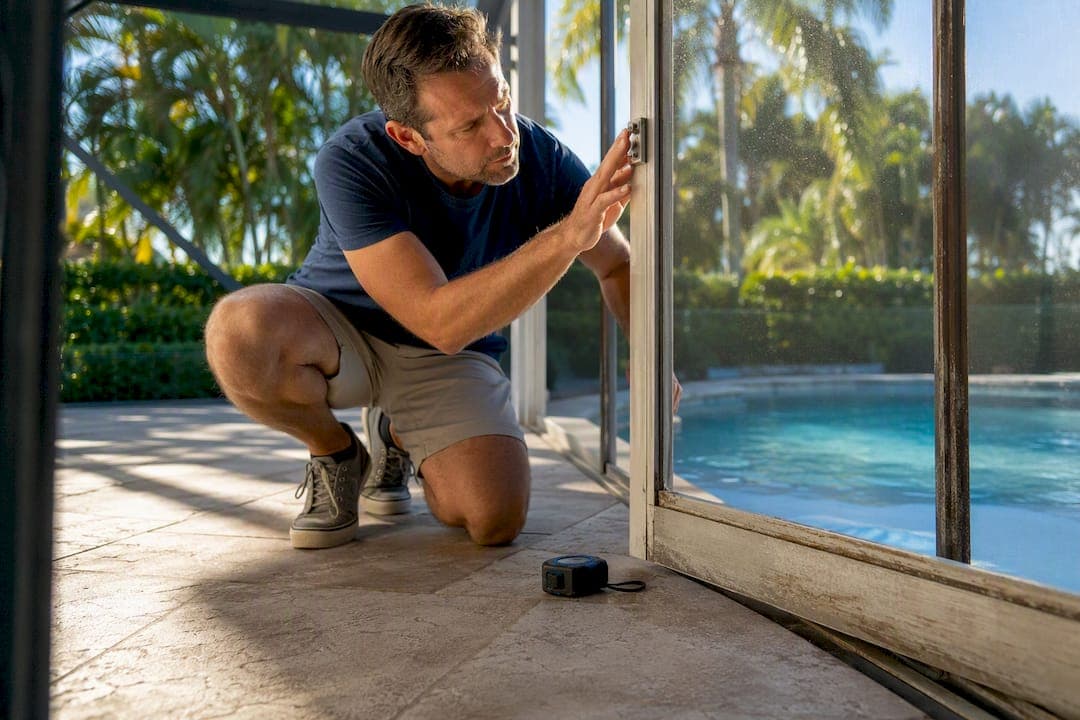
In Florida, mesh-only rescreening is usually permit-exempt, but structural repairs and new enclosures require permits and often a licensed contractor. If your job stops at swapping out torn screen panels, most county building departments let you proceed without paperwork. The moment you touch a post, frame, footing, or anchor, you've crossed into permitted territory, and the enclosure's role as a pool safety barrier can trigger an inspection regardless.
TL;DR:
- Replacing only mesh panels or performing cosmetic repairs generally does not require a permit in Florida, unless posts or frame elements are involved.
- Structural repairs such as replacing posts, installing footings, or extending the enclosure footprint require licensed contractors, sealed engineering, and permits due to wind-load considerations.
- Confirm permit rules with your local building department before starting work, as requirements vary by county and wind zone, and unpermitted work can cause insurance or sale issues.
- Permit applications for structural repairs often take 10 to 15 business days, with additional costs for engineering and inspections that can significantly increase overall expenses.
- Most restoration jobs, like mesh replacement and fastener upgrades, stay on the cosmetic side and typically do not trigger permitting or structural assessments.
Table of Contents
- Do You Need a Pool Enclosure Rescreen Permit?
- What Counts as a Structural Repair, Not Just Rescreening?
- Who Pulls the Permit: Contractor vs. Owner-Builder?
- How to Confirm Rescreen Permit Rules With Your County
- Rescreening Cost vs. Structural Repair: Budget and Timeline
- Pool Barriers, Inspections, and Insurance Risk
- How Mr. Pool Screen Restores Enclosures Without Triggering Permits
- What Every Florida Homeowner Should Remember About Rescreen Permits
- Ready for a Rescreen Estimate? Here's When to Call Us
- Where to Verify Rescreen Permit Rules in Your County
- Sources
Do You Need a Pool Enclosure Rescreen Permit?
Start with this checklist before you call anyone. It separates the jobs that county building departments wave through from the ones that land on an inspector's desk.
Likely permit-exempt:
- Replacing torn or faded mesh panels with the same or similar mesh type
- Reusing existing spline channels and trim without altering the frame
- Cosmetic work that doesn't touch posts, beams, or footings
Likely permit-required:
- Replacing bent or corroded aluminum posts or frame members
- Installing new footings or relocating anchor points
- Adding a new roof panel, extending the enclosure, or changing its footprint
If your enclosure doubles as your required pool safety barrier, even mesh-only work can prompt a compliance check on gaps, latches, and self-closing doors. When you're not sure which category your project falls into, treat it as permit-required until your county tells you otherwise.
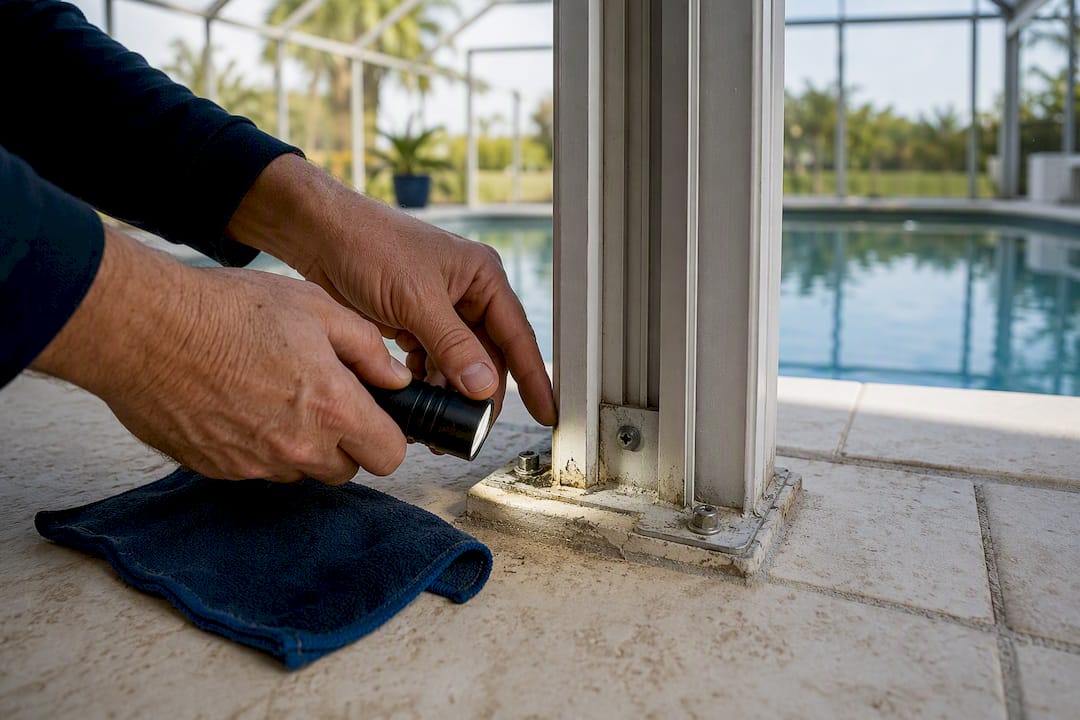
Pro Tip: Take photos of your enclosure's posts and anchor points before you call a contractor. A quick visual comparison helps the building department (and you) confirm whether the scope is cosmetic or structural.
What Counts as a Structural Repair, Not Just Rescreening?
Florida building departments draw a clear line between the screen itself and the skeleton holding it up. Mesh, spline, and trim are considered non-structural. Posts, headers, anchors, and footings are structural, and touching any of them changes the permit conversation entirely.
Here's where projects commonly cross that line:
- Replacing corroded or bent aluminum posts rather than just the screen panel attached to them.
- Installing new footings or anchor bolts because the originals pulled loose or rusted through.
- Widening or extending the enclosure footprint, even by a few feet, which requires new structural calculations.
- Replacing roof panels or beams, since these carry wind load across the entire structure.
Wind load is the reason Florida treats these repairs so strictly. Screen enclosures act like sails in a storm, and the Florida Building Code requires engineered calculations for anything that changes how the frame resists wind pressure. A single replaced post might seem minor, but if it's undersized or improperly anchored, the whole structure's wind rating can fail during the next major storm. That's why county inspectors care less about the screen and more about what's holding it up.
Who Pulls the Permit: Contractor vs. Owner-Builder?
Structural repairs typically require a licensed contractor to sign the plans and pull the permit, especially anything involving sealed engineering or wind-load calculations. Some homeowners choose owner-builder status instead, but that comes with real strings attached.
- Owner-builders often must appear in person to apply and sign an Owner-Builder Disclosure Statement, taking on full legal responsibility for code compliance.
- A Notice of Commencement is typically required for jobs valued over $5,000, recorded before work begins.
- Owner-builders assume every inspection duty and liability a licensed contractor would normally carry, including mistakes that surface years later.
Most homeowners hire a licensed professional for structural work anyway. One failed inspection, one insurance dispute after a storm, and the savings from going owner-builder evaporate fast.
How to Confirm Rescreen Permit Rules With Your County
Don't guess. A five-minute call or portal search saves you from a stop-work order halfway through a job.
- Identify your jurisdiction. Unincorporated county land and incorporated cities often have separate building departments and separate rules.
- Gather your property details before you call: address, parcel ID, and a plain-language description ("replacing screen mesh only, no frame or post work").
- Ask the direct question: "Is mesh-only rescreening exempt from permitting in your jurisdiction?" Get the answer in writing or note the staff member's name and date.
- If a permit is required, ask what's next: sealed engineering drawings, wind-load calculations, and the expected review timeline.
Standard residential submittals often move through review in 10 to 15 business days, but coastal and high-wind zones can extend that if sealed engineering is required.
Pro Tip: Save every email and permit confirmation number. If you sell the house later, buyers' agents routinely ask for permit history on any enclosure work, and missing records can stall a closing.
Rescreening Cost vs. Structural Repair: Budget and Timeline
A mesh-only rescreen job is fast and relatively inexpensive. Structural repair or a full rebuild is neither.
- Small rescreen jobs often start around $1,500, while full pool enclosure rescreens commonly range from $3,000 to $15,000 or more depending on size, mesh type, and coastal corrosion exposure.
- Add a permit requirement and the timeline stretches from days to weeks. Sealed engineering, wind-load calculations, and inspection scheduling all add cost on top of materials and labor.
- Fiberglass mesh typically shows visible wear within 7 to 12 years in Florida's sun and humidity, which is why most rescreen jobs are routine maintenance, not structural emergencies.
Restoration approaches, coatings, stainless steel fastener swaps, and mesh replacement, address that routine wear without opening the structural can of worms a rebuild requires.
Pool Barriers, Inspections, and Insurance Risk
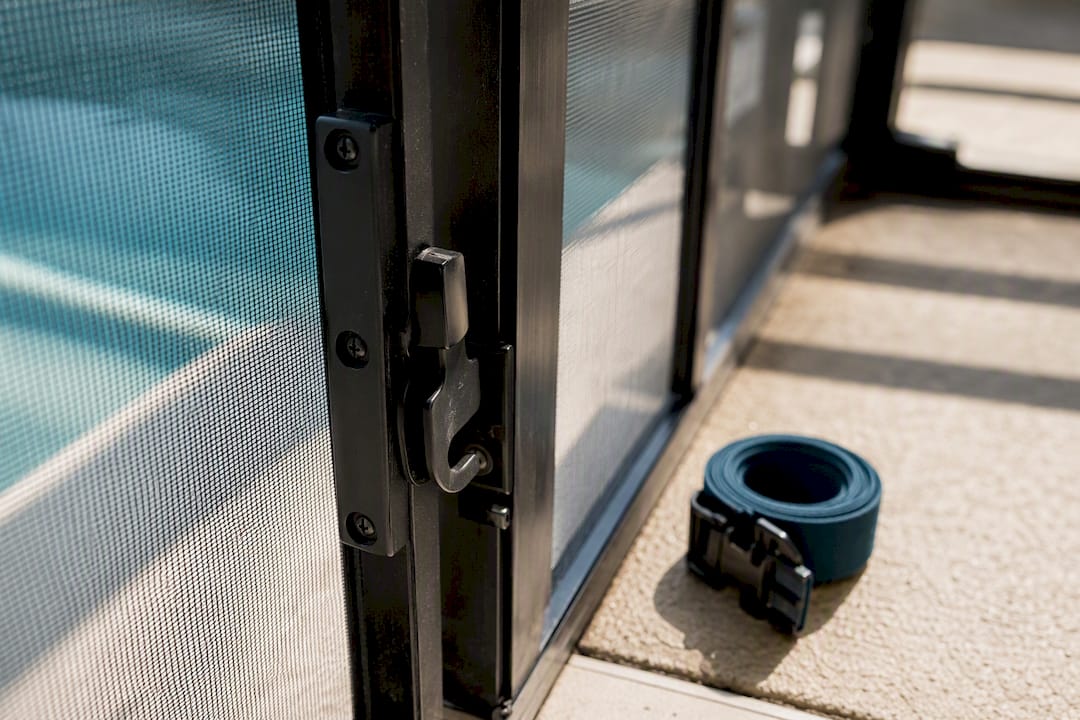
If your enclosure is your legal pool safety barrier, the Florida Building Code cares about more than aesthetics. Gaps in the mesh, malfunctioning latches, and doors that don't self-close can all fail a barrier inspection, and some departments require that check after any alteration, even mesh-only work.
Skipping a required permit carries risk beyond a fine. Insurance carriers can deny storm damage claims tied to unpermitted structural work, and unpermitted alterations routinely surface during home sale disclosures, sometimes killing a deal at the closing table.
How Mr. Pool Screen Restores Enclosures Without Triggering Permits
Most rescreening jobs stay firmly on the cosmetic side of the line: mesh replacement, water-based acrylic recoating, and swapping corroded fasteners for stainless steel hardware. None of that touches posts, footings, or frame structure.
When corrosion has spread into the posts or anchor points themselves, restoration alone isn't enough. That's the point where a homeowner needs sealed engineering and a permit, not another coat of paint.
Mrpoolscreen's restoration approach is built around extending the life of enclosures that are structurally sound but cosmetically tired, which describes a large share of aging Florida pool cages.
What Every Florida Homeowner Should Remember About Rescreen Permits
Here's the rule of thumb worth pinning to your refrigerator: if a tool touches the frame, assume you need a permit; if it only touches the screen, assume you don't, but verify both with your county before scheduling work.
Keeping your permit records, or your written confirmation that none was needed, protects you twice: once when an insurance adjuster asks questions after a storm, and again when a buyer's inspector reviews your enclosure's history. A five-minute phone call to your building department costs nothing. Skipping it can cost you a closing.
— Michel
Ready for a Rescreen Estimate? Here's When to Call Us
If your enclosure's screens are sagging, discolored, or full of holes but the frame itself is solid, that's a restoration job: new mesh, a water-based acrylic recoat, and stainless steel or Nylotech fasteners replacing anything rusted through. If instead you're looking at bent posts, cracked footings, or a frame that's visibly leaning, that's a structural conversation for your county building department first. Mrpoolscreen's pool screen restoration service covers the former, and our project gallery shows what that restoration looks like on enclosures that had years of Florida weather behind them. Request an inspection, and we'll tell you plainly whether your project needs a permit call or just a restoration crew.
Where to Verify Rescreen Permit Rules in Your County
Check these official sources for the final word on your specific jurisdiction before starting any rescreening project.
- Screen Enclosure Permit Checklist (Lake County)
- Checklist for Screen Enclosure Permits (Fort Pierce)
- Brevard County Pool Screen Enclosure Services
Local rules vary by county and by wind zone, so always confirm with your own building department before assuming your project is exempt.
Sources
- Pool Screen Enclosure Services in Brevard County | Brevard County Pool Authority
- Screen Enclosure Permit Checklist
- Tampa Pool Enclosure and Screen Services | Tampa Pool Authority
- CHECKLIST FOR SCREEN ENCLOSURE PERMITS