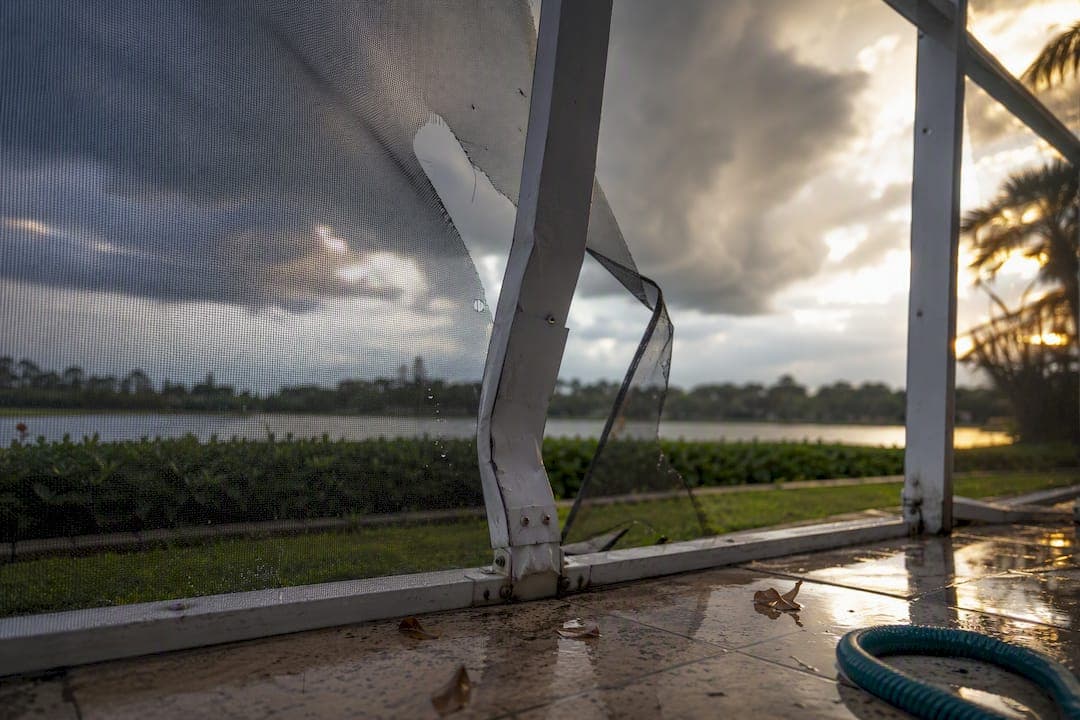
Stay out of the enclosure until it's confirmed stable, then start photographing every torn screen, bent post, and pulled fastener before you touch anything. Most torn screens are a straightforward repair; visible frame twisting or bowed beams usually points toward partial or full replacement. Book a licensed inspection within the first few days. That report becomes the backbone of your insurance claim and your repair decision.
TL;DR:
- Only fully structural issues like bent frames or pulled anchors require full replacement, while intact frames can often be restored for significantly less cost.
- Timely inspection and documentation are critical, as delays lead to increased corrosion, structural deterioration, and potential code upgrades that raise costs.
- Insurance claims depend on detailed estimates and proof of damage aligned with storm events, not general wear or accidental damage.
- Avoid scam contractors by verifying licenses, rejecting upfront cash payments, and insisting on written, itemized estimates from reputable professionals.
- Regular maintenance after repairs, including rinsing, tightening fasteners, and checking drainage, can prolong the cage’s lifespan against future storm damage.
Table of Contents
- Signs Your Pool Cage Has Storm Damage
- Staying Safe and Documenting the Damage for Insurance
- What a Licensed Inspector Actually Checks
- Repair, Rescreen, or Replace: How to Decide
- Filing an Insurance Claim for Pool Cage Damage
- Finding and Vetting a Contractor After a Storm
- How Long Repairs Actually Take
- How Mr. Pool Screen Approaches Storm Restoration
- Protecting the Cage Before Repairs Start
- Why Timing Matters More Than It Seems
- Watch for These Repair and Claim Scams
- Keeping Your Restored Cage Storm-Ready
- A Contractor's Take on Repair vs. Replace
- Get a Free Inspection Before You Commit to a Rebuild
- Sources
Signs Your Pool Cage Has Storm Damage
Not all storm damage is equal, and figuring out which kind you're looking at determines everything else: cost, timeline, and whether insurance treats it as a quick fix or a rebuild.
Torn or missing screen panels are the most common outcome of a wind event, and they're usually cosmetic rather than structural. Twisted or bowed aluminum framing is a different story entirely. Once a beam or post has bent, it rarely returns to true, even after a storm passes.
Walk the perimeter and look for these warning signs before calling anyone:
- Screen mesh ripped, ballooned, or completely blown out of the spline track
- Frame members that look bowed, kinked, or out of alignment with the roofline
- Loose, missing, or corroded fasteners, especially where posts meet base plates
- Base plates pulled partially or fully out of the concrete deck
- Crushed pool equipment pads, cracked pump housings, or debris in the pool itself
That last point matters more than most homeowners realize. Equipment sitting close to the enclosure edge is frequently crushed when panels or framing come down, turning a screen repair into a pump replacement too.
Staying Safe and Documenting the Damage for Insurance
Wait for local authorities to confirm it's safe before you go near a damaged cage. Downed power lines tangled in bent framing are a real hazard, and an aluminum enclosure conducts electricity. It offers no real shelter if a storm is still nearby, so don't use it as a place to wait things out.
Once it's clear, work through your camera systematically:
- Wide shots of the entire enclosure from each corner of the yard
- Medium shots of each damaged section, screen panel, or beam
- Close-ups of fasteners, base plates, and any corrosion or cracking
- Relationship shots showing how the cage connects to the house structure
Pro Tip: Save the National Weather Service advisory or local storm bulletin from that date. Adjusters and contractors alike want to proof the damage lines up with a specific, documented event, not general wear.
Skip the DIY patch job until your claim is filed. A well-intentioned repair can complicate what the adjuster is able to verify later.
What a Licensed Inspector Actually Checks
A real inspection goes well beyond a walk-around glance. Contractors trained in pool cage repair test structural points a homeowner would likely miss entirely.
Expect the inspector to check:
- Plumb alignment on every post and beam, not just the ones that look crooked
- Anchor and base-plate integrity, including how deep the anchors are still seated
- Fastener condition across the whole structure, flagging corrosion or hairline fractures
- Door operation and frame square, since racking often shows up there first
- Screen spline and track condition on sections that look intact but may be compromised
The output should be a written, itemized estimate, not a verbal ballpark. That estimate needs to spell out materials, labor, permitting requirements, and a realistic timeline. It's worth getting a second opinion here: independent estimates frequently catch code-driven costs that an insurance adjuster's initial figure leaves out entirely. For readers weighing whether an upgrade makes sense while the cage is already open, this enclosure restoration overview walks through wind-rated options worth asking about.
Repair, Rescreen, or Replace: How to Decide
The frame is the deciding factor. If posts and beams test plumb and the base plates are still seated, rescreening solves the problem. If the frame is bent, racked, or the anchors have pulled loose, no amount of new screen fixes that.
Here's how the three paths typically break down:
- Rescreening an intact frame: roughly $3,000 to $8,000, completed in one to three days
- Partial structural repair: cost varies widely depending on how many panels need new beams, posts, or fasteners
- Full replacement: roughly $15,000 to $45,000, often three to six weeks or longer once permitting is factored in
Screen tears are common and usually less serious than they look, while structural failure, bent frames, pulled base plates, or corroded connectors changes the math fast. Current building codes can push replacement costs higher than a homeowner expects, since many jurisdictions now require upgraded wind-rating hardware or reinforced anchoring on any full rebuild, not just repairs. That single code requirement can add thousands to a project that looked simple on day one.
If you're leaning toward rescreening, a detailed cost guide breaks down mesh options and how they affect the final number.
Filing an Insurance Claim for Pool Cage Damage
Most homeowners policies classify a pool cage under Coverage B, "other structures," which typically provides a percentage of your dwelling coverage limit. This cap influences how much a straightforward wind claim may cover before any additional costs fall to you.
Wind damage, torn screens, bent framing, blown-off panels, is typically what Coverage B is built for. Storm surge or flood damage is a different animal entirely and requires a separate flood policy or NFIP coverage; a standard homeowners policy won't touch it.
A few things make the claim process smoother:
- Keep maintenance and prior-repair records on hand. Adjusters sometimes question whether existing corrosion predates the storm.
- Use your contractor's written estimate to challenge a low adjuster number, especially where code upgrades are involved.
- If the same storm damaged your roof, ask about combining that claim with the enclosure repair. One deductible typically applies per storm event, which can lower your total out-of-pocket cost.
- If you're in a federally declared disaster area and repairs exceed what insurance covers, SBA disaster loans offer a low-interest financing option worth exploring.
Finding and Vetting a Contractor After a Storm
Storm season brings out legitimate restoration crews and opportunists in equal number. A few direct questions separate the two fast.
- Ask to see their state contractor license number and confirm it's active and matches the business name on the estimate.
- Request proof of liability insurance and workers' compensation coverage before anyone sets foot on your property.
- Ask specifically what fastener and hardware upgrades they'll use, and whether those upgrades meet current local wind-load code.
- Get the full scope in writing: materials, permitting responsibility, projected start date, and completion window.
Red flags worth walking away from: anyone demanding cash-only payment upfront, anyone who can't explain how permitting will work, and anyone pressuring you to sign same-day. Legitimate contractors expect homeowners to compare bids after a storm. That's normal, not an inconvenience to them.
How Long Repairs Actually Take
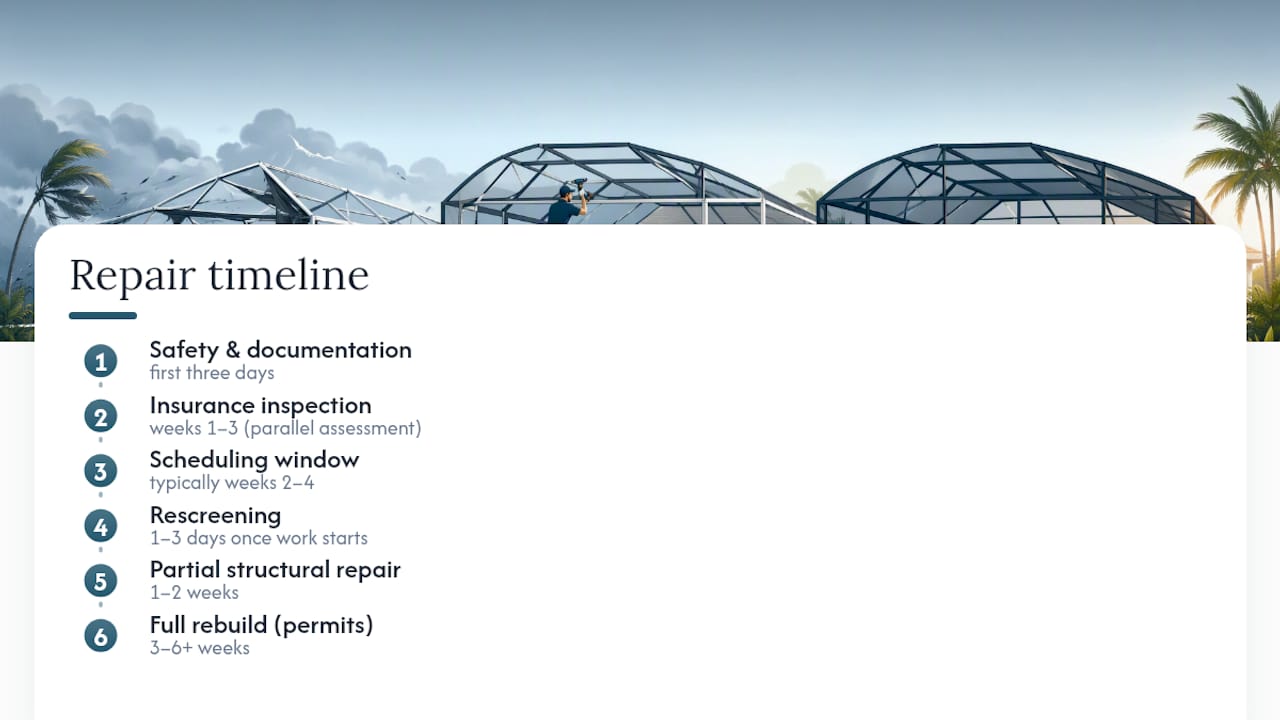
The first three days are about safety and documentation, not repairs. Weeks one through three usually involve the insurance inspection and your contractor's assessment running in parallel. Scheduling the actual work typically lands somewhere in weeks two through four, depending on contractor backlog.
Once work starts, rescreening alone runs one to three days. Partial structural repair takes one to two weeks. A full rebuild, permits included, often runs three to six weeks or more. After a major regional storm, expect scheduling delays as demand spikes across every licensed contractor in the area. Booking your inspection early, even before insurance finalizes anything, helps you get in line before the backlog grows.
How Mr. Pool Screen Approaches Storm Restoration
When the frame itself is sound, full replacement is often more than the damage calls for. Mr. Pool Screen's restoration process centers on water-based acrylic coatings and stainless steel fasteners, materials chosen specifically because they hold up against years of Florida sun and moisture without the rust cycle that weakens standard hardware.
That approach typically runs:
- Up to 60% less than a full rebuild, when the frame passes inspection
- Focused on structures where the aluminum itself hasn't twisted or failed
- Backed by a warranty on materials and workmanship
- Documented in project case studies showing before-and-after results on aging cages restored rather than torn down
The scope has limits. A cage with severely bent framing or pulled anchors isn't a restoration candidate. But for the majority of storm-damaged cages where screens tore and hardware corroded while the frame stayed true, restoration extends the structure's life by years at a fraction of rebuild cost.
Protecting the Cage Before Repairs Start
The gap between the storm and your scheduled repair date is when small damage turns into bigger damage. A torn screen panel flapping in follow-up wind can tear the frame it's still attached to, and rainwater pouring through a breach can flood the pool with debris and organic matter that stains the surface.
If a section is torn but the frame is intact, a temporary patch, plastic sheeting stapled or clamped over the opening, keeps rain and debris out until a crew arrives. Don't staple into corroded framing; it can crumble further under tension. For larger breaches, a tarp secured to sound framing sections works as a stopgap, provided it's tight enough that wind can't turn it into a sail.
Loose panels that are hanging but not fully detached should be removed rather than left to swing. A panel banging against a beam in follow-up storms causes more damage than the original tear did. If you're not confident doing that safely, this is a job for the contractor doing your inspection, not a solo weekend project.
Cover exposed pool equipment, pumps, heaters, filters, with a tarp if the enclosure that once protected it is compromised. Skim debris and leaves out of the pool daily if the water is exposed; organic matter left sitting stains plaster and tile fast, and that's a separate cost on top of the cage repair. None of this replaces the actual restoration work, but it buys time without adding damage to the punch list.
Why Timing Matters More Than It Seems
Florida's storm season rarely delivers a single event and then calm skies. A second system, or even a strong afternoon thunderstorm, can hit a compromised cage before it's repaired and turn moderate damage into a total loss. That's the real argument for scheduling an inspection fast rather than waiting to see if things "settle."
Debris left in and around the enclosure adds urgency too. Tree limbs resting against bent framing can deepen the damage with every gust. Standing water pooled against base plates accelerates corrosion at exactly the connection points an inspector will be checking. Clear what you can safely reach, and leave anything tangled in the structure itself for the professionals.
Humidity plays a quieter role. Exposed aluminum and steel fasteners left uncovered for weeks corrode faster in Florida's air than almost anywhere else in the country. A repair that would have been a simple rescreen at week one can turn into a partial structural repair by week six if corrosion sets into open connectors. That's a real cost of delay, not just an inconvenience.
If your area was hit hard, expect contractor backlog to stretch your timeline regardless of how fast you move. Getting your name on a schedule early, even before your insurance claim is finalized, is one of the few levers homeowners actually control in that situation.
Watch for These Repair and Claim Scams
Storm season attracts a predictable wave of bad actors, and pool cage repair isn't immune. A few patterns show up again and again.
Door-knocking "storm chasers" who show up unprompted, often from out of state, offering an immediate cash discount for signing today. Legitimate local contractors don't need to pressure same-day signatures; they're confident in their backlog and their reputation.
Contractors who ask for full payment upfront, in cash, before any work begins. A reasonable deposit is normal. Full payment with no material delivered or work started is not.
Public adjusters who take a cut of your settlement and promise inflated claim numbers before they've even seen the damage. Some are legitimate professionals; others exist purely to extract a percentage while adding little real value to your claim.
Estimates that conveniently match your insurance payout to the dollar, with no itemized breakdown of materials or labor. That's a sign the number was reverse-engineered from your coverage limit, not built from an actual inspection.
Verify licensing independently rather than trusting a business card. Most states publish contractor license lookups online, and it takes two minutes to confirm a name and license number match. If a deal only works because you sign today, it's not actually a deal.
Keeping Your Restored Cage Storm-Ready
A freshly repaired or rescreened cage isn't maintenance-free. What you do in the following months affects how well it survives the next storm season.
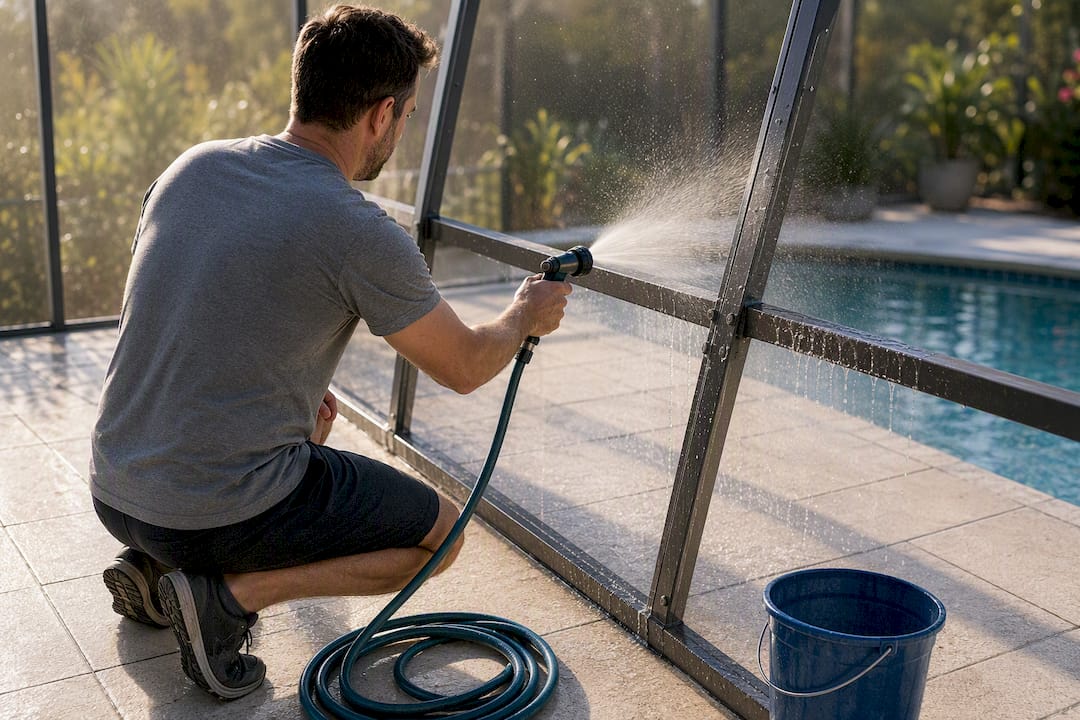
Rinse the frame every few months to clear salt air, pollen, and grime before they accelerate coating breakdown, especially if you're near the coast. Check fasteners twice a year, tightening anything that's worked loose from thermal expansion and contraction. Inspect screen tension after any significant wind event, even one that didn't cause obvious damage, since repeated stress loosens spline tracks gradually.
Keep an eye on drainage around base plates. Standing water is what accelerates corrosion at the exact points most likely to fail in the next storm. If you notice pooling, regrading that small section of the deck is far cheaper than a repeat base-plate repair. For homeowners who want a fuller preventive routine, this weather damage prevention guide covers seasonal steps worth adding to a calendar.
A Contractor's Take on Repair vs. Replace
Safety and documentation come first, always. Get a licensed inspection before you clean up anything, because cleanup can erase the evidence that supports your claim. Restoration is genuinely cost-effective when the frame tests sound. That's not a sales pitch, it's just structural reality. Compare written estimates from more than one contractor before deciding. The numbers should tell the story, not the pressure.
— Michel
Get a Free Inspection Before You Commit to a Rebuild
Mr. Pool Screen gives homeowners a real alternative to a full rebuild when the frame has held up. The inspection checks plumb, anchors, and fasteners, then the restoration work follows with water-based acrylic coatings and stainless steel fastener upgrades built for Florida's humidity and sun.
Homeowners typically save up to 60% compared to a complete replacement when restoration is the right fit for their structure, and the work comes backed by a warranty on materials and craftsmanship. If your cage took a beating this storm season and you're not sure whether it needs a rescreen or a rebuild, request a free restoration inspection and get a written scope before you sign anything with anyone else.
Sources
For disaster financing, see SBA disaster assistance. For failure modes and cost benchmarks, see Florida's Best Pools.
- Pool Cage & Screen Enclosure Repair After a Storm in Florida | Goliath Roofing
- Sba
- Lightning, swimming pools & safety tips for stormy days in Tampa Bay — JJB Pools and Spas
- High Wind Debris Management (Screens, Enclosures) — Florida's Best Pools