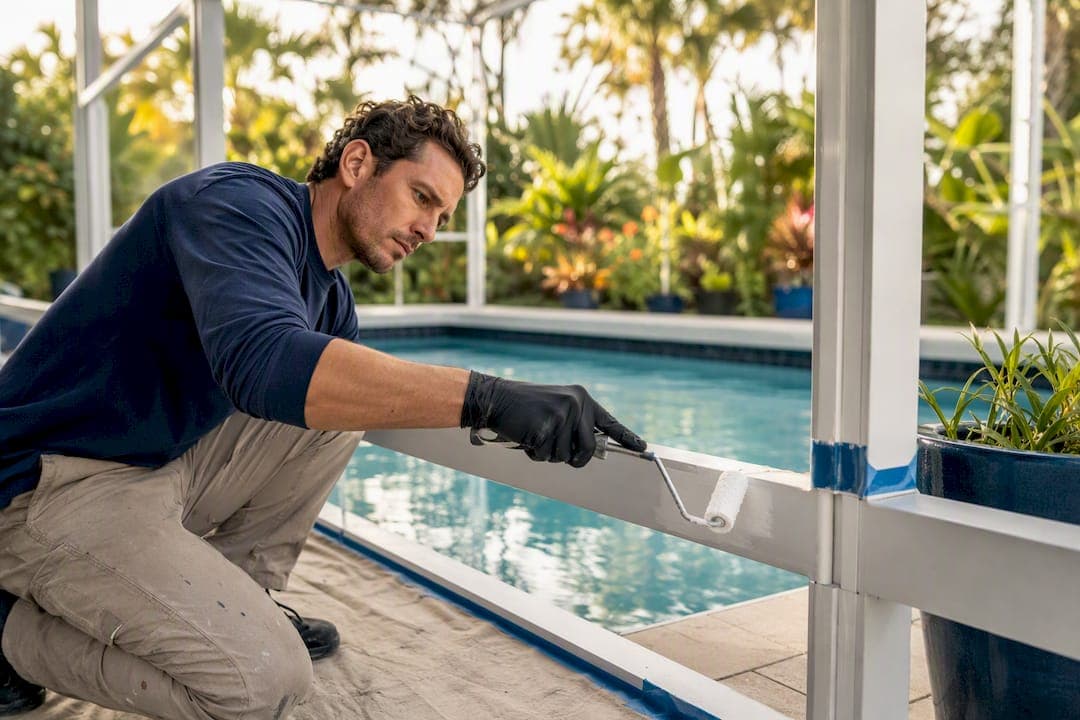
If the aluminum frame shows bare metal, rust, or heavy oxidation, primer is not optional. Bare aluminum needs a bonding or etching primer, rust spots need a rust-converting primer after mechanical removal, and porous concrete decks need a masonry primer before any topcoat goes on. Sound factory-coated aluminum with minimal chalking is the one case where a direct-to-metal (DTM) acrylic can sometimes skip the primer step. Mr. Pool Screen treats that call as a surface-by-surface decision, not a blanket rule.
TL;DR:
- Primer is essential for bare, oxidized, or rusted surfaces to ensure proper adhesion and prevent early failure.
- Rust-converting primers stabilize rusty areas, while compatible bonding primers are necessary on clean factory-coated aluminum with chalking.
- Proper surface preparation, including rust removal, degreasing, and mechanical treatment, is critical to lasting paint adhesion and durability.
- The correct primer type depends on the surface; epoxy or bonding primers for metal, masonry primers for concrete, and oil-based or acrylic primers for wood.
- Avoid skipping primer and proper prep, especially in high-humidity or salt environments, as it significantly extends the lifespan of coatings and saves future repair costs.
Table of Contents
- Primer vs No Primer: When Is It Actually Required?
- What Kind of Primer Does a Pool Cage Actually Need?
- How Should Prep and Rust Treatment Be Handled Before Priming?
- Does Primer Choice Change How Long the Topcoat Lasts?
- What Do Primer and Prep Actually Add to the Cost and Timeline?
- What Should Go in a Restoration Quote Before You Sign?
- Are There Environmental or Safety Concerns With Pool Enclosure Primers?
- A Contractor's View on Getting Primer Decisions Right
- How to Get a Restoration Estimate From Mr. Pool Screen
- Sources
Primer vs No Primer: When Is It Actually Required?
The short version: primer is required wherever metal, wood, or concrete is exposed, oxidized, or previously coated with something incompatible. It's optional only on sound, well-adhered surfaces that are clean and free of chalking.
Here's how that plays out across the surfaces on a typical pool cage or deck:
- Bare or oxidized aluminum: Any spot where mechanical removal has exposed raw metal needs a bonding or etching primer before topcoat. Skip it, and the paint has nothing to grip.
- Isolated rust spots: Small pockets of surface rust, once ground or wire-brushed down, usually call for a rust-converting primer rather than a full etching primer. It stabilizes the remaining oxide so it can't keep spreading under the new finish.
- Sound factory-coated aluminum: If the existing factory finish is intact with only light chalking, a thorough pressure wash and scuff can be enough to let a DTM acrylic bond directly, no separate primer coat required.
- Concrete and masonry decks: These are porous and alkaline, which plain metal primers don't account for. A masonry or alkyd-based primer designed for concrete is the standard call, especially before staining or painting a deck that's been resurfaced.
- Wood decking: Weathered wood needs its own oil-based or acrylic wood primer to seal grain and block tannin bleed. Treat it separately from the metal frame.
Mixing these up, using a metal primer on concrete or skipping primer on rust because "it's just a small spot", is where most premature failures start.
What Kind of Primer Does a Pool Cage Actually Need?
Not every primer does the same job, and picking the wrong one is almost as bad as skipping it. Four categories cover nearly every situation a pool enclosure or deck restoration runs into.
- Bonding or etching primers are built for aluminum. They chemically bite into the metal surface, which is why a bonding primer designed for non-ferrous metal outperforms a generic latex primer on bare aluminum every time. Latex primer simply sits on top; it doesn't etch in.
- Rust-converting primers chemically stabilize iron oxide that's already formed, turning it into a stable, paintable surface rather than removing it entirely. They're a treatment for existing corrosion, not a substitute for grinding out heavy pitting.
- DTM acrylic and alkyd/urethane-modified primers serve as either standalone prep coats or primer-topcoat hybrids. DTM acrylics dry fast and handle Florida humidity well; alkyd/urethane blends cure harder and resist pool chemicals better but take longer to set up.
- Powder coating and full member replacement sidestep primer questions entirely. Powder coat is durable but requires disassembling the frame and shipping it to a finishing facility, so it's a bigger job than a field repaint.
How Should Prep and Rust Treatment Be Handled Before Priming?
Primer only works as well as the surface underneath it. Skipping steps here is the number one reason repaints peel within a year or two.
- Inspect for structural metal loss. Any frame member that's pitted through or structurally weakened needs replacement, not just a coating. No primer fixes a compromised structural piece.
- Mechanically remove rust. Wire brushing, sanding, or spot grinding on pitted areas takes the loose oxide off before any rust-converting primer goes on.
- Swap corroded fasteners for stainless steel. Rusted screws bleed through new paint within months, staining the finish from underneath. This is one of the most commonly overlooked failure points.
- Pressure wash, degrease, then wipe with denatured alcohol. Water alone leaves behind oils and residues you can't see; a solvent wipe with denatured alcohol removes what pressure washing misses.
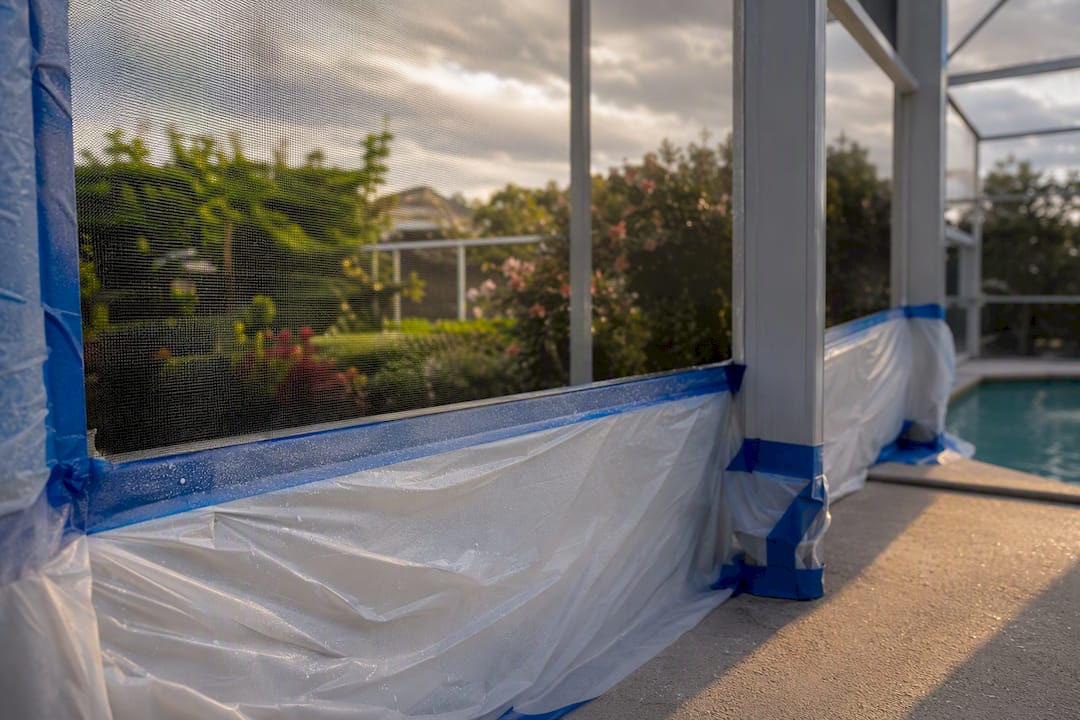
- Scuff or chemically etch smooth aluminum, mask off screens and landscaping, and respect the manufacturer's cure window before applying primer or topcoat.
Pro Tip: Fix loose screens, bent rails, and damaged fasteners before the final cleaning pass, not after. Debris trapped during repair work can work its way under fresh paint and cause bubbling weeks later.
Does Primer Choice Change How Long the Topcoat Lasts?
Primer and topcoat aren't independent decisions. The primer you choose determines which topcoats will actually bond and how long the whole system holds up against pool chemicals, salt, and Florida sun.
- Water-based acrylic DTM is the most common topcoat in pool restorations. It dries fast, resists UV fading well, and pairs cleanly with bonding or etching primers on aluminum.
- Alkyd or urethane-modified topcoats cure harder and stand up better to chlorine splash and salt exposure, but they take noticeably longer to fully cure, which matters for scheduling around pool use.
- Powder coating and anodizing last longer than either field-applied option, but both require pulling the frame apart, which rules them out for most in-place restorations.
Humidity, chlorine exposure, and coastal salt air all shorten the practical lifespan of a coating system compared to a dry inland install, regardless of which primer or topcoat you choose.
What Do Primer and Prep Actually Add to the Cost and Timeline?
Proper prep and primer add labor hours and material cost up front. That's the honest tradeoff. What it buys back is fewer recoats and a longer stretch between full restorations.
- Full prep, primer, and topcoat typically stretches the job timeline by a day or two versus a quick recoat, largely because of cure time between coats.
- Weather drives scheduling more than anything else. High humidity or rain delays extend cure windows and can push a job back entirely.
- Spot repairs make sense for small, isolated rust spots on an otherwise sound frame. A full restoration is the better investment once corrosion, chalking, or paint failure is widespread.
- Homes in high-UV, high-humidity, or salt-exposed locations almost always come out ahead financially by paying for proper primer now rather than recoating again in two years.
What Should Go in a Restoration Quote Before You Sign?
A quote that skips the details is a quote that's probably skipping the prep, too. Before signing anything, ask contractors to spell out these items in writing.
- The full prep scope, including mechanical rust removal, degreasing, and solvent wiping, not just "surface cleaning."
- Specific primer brand and type, whether that's a bonding primer, rust-converting primer, or masonry primer for deck surfaces.
- Fastener replacement, confirming stainless steel or comparable corrosion-resistant hardware, not a reuse of existing screws.
- Coat counts and cure times, so you know exactly how many passes of primer and topcoat you're paying for and how long the job takes.
- Masking and cleanup details, covering screens, landscaping, and pool water protection during the job.
Ask each bidder directly how they handle rust and what products they specify by name. A small test patch before the full job is a low-cost way to confirm adhesion and color match. Vague answers, unnamed "commercial-grade" products, or a refusal to itemize prep steps are red flags worth walking away from.
Are There Environmental or Safety Concerns With Pool Enclosure Primers?
Primers used around pools carry real environmental and handling considerations that homeowners should ask about before work starts. Volatile organic compounds (VOCs) are the biggest factor. Solvent-based bonding primers and some alkyd/urethane-modified products off-gas more than water-based acrylic options, which matters both for air quality during application and for anything living near the pool deck, including landscaping and fish in adjacent water features.
Water-based acrylic primers and DTM coatings generally carry lower VOC content than solvent-based alternatives, which is part of why they've become the standard choice for pool cage restorations in warm climates where windows and screens stay open during application. Ask your contractor which product line they use and whether it's low-VOC rated.
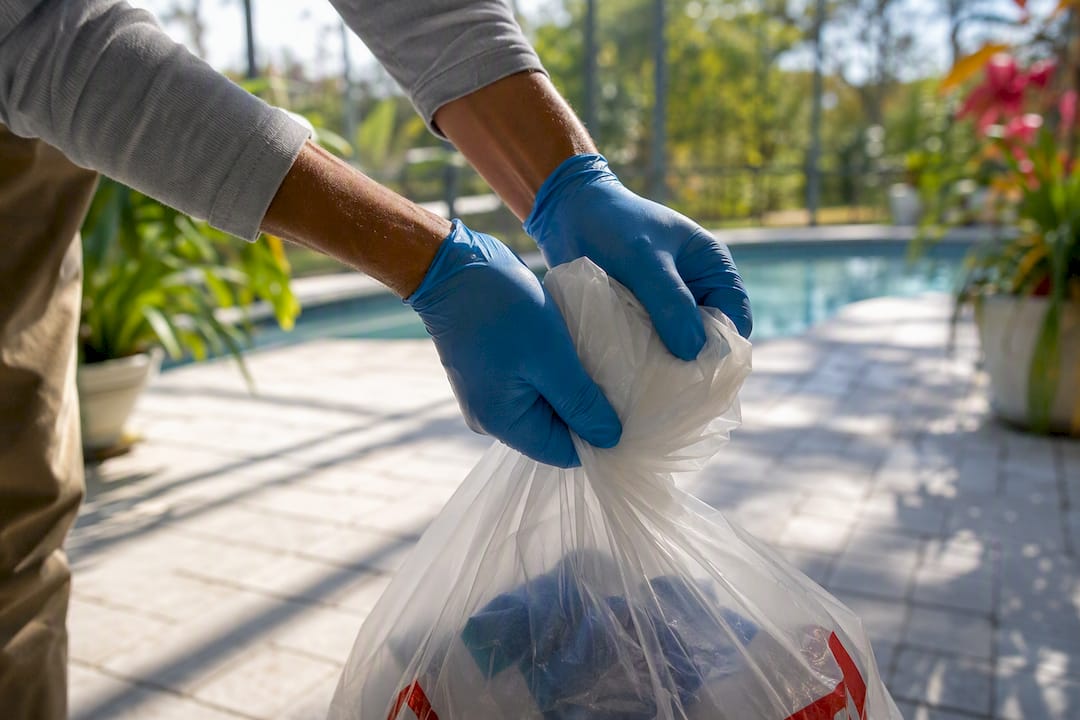
Disposal matters too. Rust-converting primers, solvent wipes like denatured alcohol, and leftover etching primer are not something to pour down a drain or dump in a yard. A professional crew should be handling waste rags, empty containers, and unused product according to local hazardous-material disposal rules, not tossing them in the household trash.
Masking is a safety issue as much as a workmanship one. Overspray or drips from etching primers can damage pool liners, screen mesh, and nearby plants, so proper containment during application protects more than just the finish quality.
A Contractor's View on Getting Primer Decisions Right
Most paint failures on pool cages trace back to one decision made before the first coat ever went on: whether to prime, and with what. Mr. Pool Screen builds its restoration process around water-based acrylic coatings, DTM where the surface allows it, and stainless steel fasteners specifically because those choices hold up against chlorine, humidity, and UV in ways cheaper shortcuts don't.
That approach reportedly saves homeowners up to 60% compared with a full rebuild, while extending how long the new finish lasts. Case photos and project outcomes are documented for homeowners who want to see the work before committing.
— Michel
How to Get a Restoration Estimate From Mr. Pool Screen
Skipping primer to save a day of labor is the single most common reason a repaint fails within two years. Mr. Pool Screen builds every restoration around proper prep first, because that's what determines whether the paint job you're paying for lasts five years or fifteen.
A typical appointment covers inspection for structural or rust damage, mechanical prep and rust treatment, primer matched to the surface, a water-based acrylic DTM topcoat, and replacement of corroded fasteners with stainless steel hardware. Central Florida homeowners can review real before-and-after results on the project gallery before requesting a quote. When you're ready, check the full scope of work on the pool screen restoration page and request a free estimate. Use the contractor-quote checklist above when comparing bids: primer type, fastener material, coat counts, and cure times should all be spelled out in writing before you sign anything.
Sources
Further reading on prep, rust conversion, and DTM specification: Westchase Painting, Right Way Enclosures, and Key Screening.
- Pool Cage Painting Tampa & Westchase FL | Westchase Painting
- Can You Repaint Your Aluminum Screen Enclosure? A Guide to Restoration