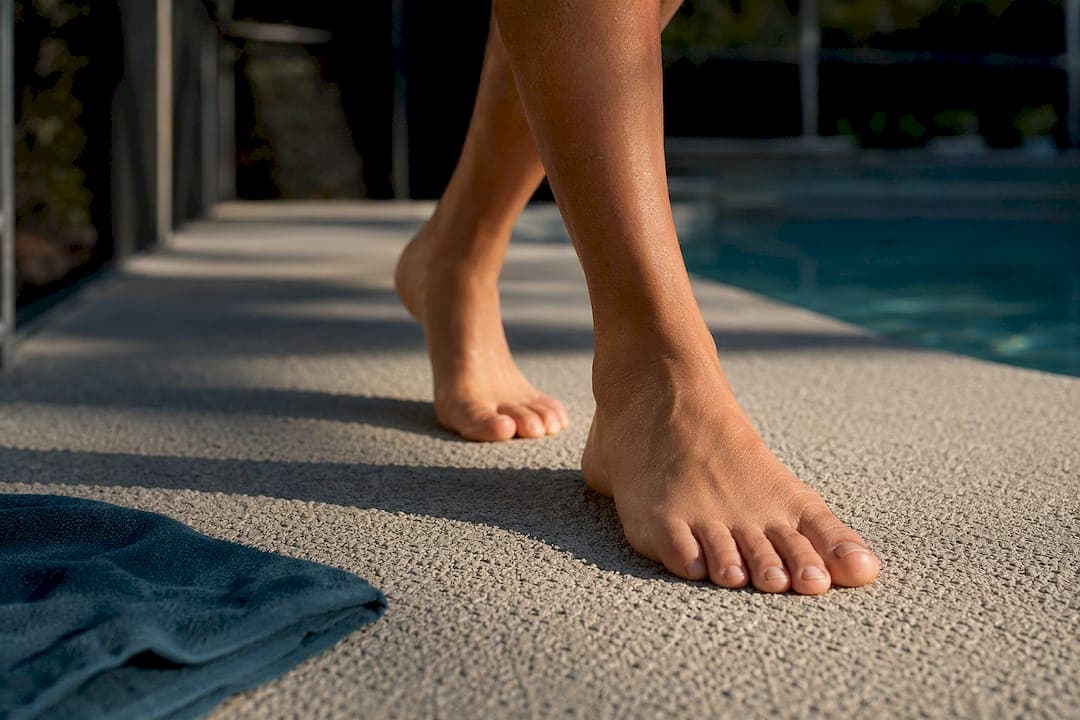
Yes, you can refresh a sound Kool Deck, but ordinary wall or exterior paint is the wrong tool for the job. Use an acrylic/cementitious cool coating system or a properly prepped textured acrylic anti-skid product instead, since both preserve the deck's grip and, when designed for it, its heat-reflective properties. Before buying anything, check the surface for delamination, cracking, or old sealers. If any of those show up, a DIY paint job will fail fast, and you're better off calling in a restoration pro.
TL;DR:
- Applying standard wall or exterior paint over Kool Deck risks quick failure due to incompatibility and surface issues like delamination or cracking.
- Cool coating systems can lower surface temperatures by up to 38% and better preserve Kool Deck’s grip and heat-reflective properties compared to regular paint.
- Proper surface prep, including cleaning, removing sealers, acid etching, and crack repair, is essential for coating longevity and effectiveness.
- DIY recoating is suitable only if the deck is structurally sound, free of delamination and major cracks, and has proper drainage, otherwise professional restoration is advised.
- Heavy coating of regular paint can eliminate the textured pattern and darken the surface, undoing Kool Deck’s cooling benefits and increasing barefoot heat.
Table of Contents
- Your Realistic Options for Painting Over Kool Deck
- Is Your Kool Deck a Good Candidate for Painting?
- How to Prep and Apply a Coating Over Kool Deck
- What to Look for in a Kool Deck Paint or Coating
- How Long Does Cool Deck Coating Take to Dry and Cure?
- Will Painting Kool Deck Ruin Its Cooling Effect?
- Signs You Need a Professional Pool Deck Restoration
- A Practical Take on Painting Your Own Pool Deck
- Let Mr. Pool Screen Handle the Restoration You'd Rather Not DIY
- Where to Check Product Specs and Application Steps
- Sources
- FAQ
Your Realistic Options for Painting Over Kool Deck
Kool Deck resurfacing isn't a one-product decision. Depending on your deck's condition and what you want out of it, you're choosing between five real paths, each with its own cost and durability profile.
- Cosmetic exterior paint: Cheapest upfront, but it fills in the knockdown texture and tends to strip traction and cooling almost immediately. Best when the deck is purely decorative (not poolside) or you're doing a very short-term patch before a bigger project.
- Acrylic/cementitious cool coating system: Products like the COOL! system from Encore Brands are built specifically to resurface knockdown toppings such as Kool Deck. They're mixed with a gallon of exterior acrylic paint for color and can cut surface temperatures by up to 38% compared with standard paint. Best when you want to keep the pool deck walkable barefoot in July.
- Textured acrylic anti-skid coating: A separate product class, often used where cooling matters less than grip. These dry to light foot traffic in about 24 hours and give you tintable color plus texture. Best for decks that see heavy foot traffic near diving boards or steps.
- Stain overlay on sealed concrete: Works well on plain concrete but is trickier over Kool Deck's rough knockdown surface, since stains soak in unevenly on textured toppings. Best for adjacent concrete walkways, not the textured pool apron itself.
- Full resurfacing or replacement: The most expensive and longest-lasting route. Best when the topping itself is failing structurally, not just cosmetically.
For most homeowners with a deck that's faded or stained but structurally fine, the cool coating route hits the sweet spot: moderate cost, real durability, and it protects the two things Kool Deck was designed to do in the first place, stay cool and stay grippy.
Is Your Kool Deck a Good Candidate for Painting?
Not every Kool Deck surface is ready for a coating. Before you buy a single bucket, walk the deck and run through this checklist.
- Tap-test for delamination. Walk the perimeter and tap sections with a hammer handle. A hollow or drummy sound means the topping has separated from the concrete below, and no amount of coating will fix that.
- Look for prior sealers or epoxy. A shiny, plasticky film on the surface usually means someone applied a solvent-based sealer or epoxy that new acrylic coatings won't bond to. That has to come off before anything new goes on.
- Check crack width and pattern. Hairline surface cracks under about 1/16 inch are cosmetic and patchable. Cracks that are wide, actively growing, or run in a pattern following expansion joints often signal slab movement, which is a structural issue, not a paint problem.
- Assess overall texture wear. If the knockdown texture has worn smooth in high-traffic zones, that's a sign the topping is thinning, not just dirty.
- Note ponding or drainage issues. Standing water after rain suggests a pitch problem that coatings can't correct and that will keep undermining any new finish.
If your deck passes this checklist, cosmetic recoating with the right product will likely hold up well for years. If you're seeing delamination, wide cracking, or drainage problems, you're looking at a short-term fix at best. Industry guidance is consistent on this point: painting is a cosmetic option reserved for structurally sound surfaces, not a substitute for repair. Spending $150 on paint over a delaminating deck just means repainting again in a year, plus now you've got peeling paint on top of the original problem. A pool inspection before you buy materials can save you from that mistake entirely.
How to Prep and Apply a Coating Over Kool Deck
Once you've confirmed the deck is sound, the actual application isn't complicated, but skipping steps is exactly how peeling and bubbling happen six months later.
- Clean thoroughly. Scrub the entire deck with a TSP-based cleaner or degreaser to strip suntan oil, chlorine residue, and algae film. Rinse completely; leftover cleaner residue is a common cause of poor adhesion.
- Pressure wash. Follow with a pressure washer to lift embedded grime out of the knockdown texture. Let the deck dry fully, generally 24 to 48 hours depending on humidity.
- Strip incompatible coatings. If you found sealers or epoxy during inspection, remove them with a chemical stripper or mechanical grinding. Acrylic cool coatings need to bond directly to the textured concrete, not to a slick film sitting on top of it, which is why this step gets skipped and regretted more than any other.
- Acid etch or mechanically roughen. A light muriatic acid etch (always diluted and handled with gloves and eye protection) opens the pores of the concrete for better adhesion. Rinse and neutralize completely before moving on.
- Patch and repair. Fill hairline cracks and small spalled areas with a compatible patching compound, then let it cure per the product's instructions, often up to 28 days for new concrete patches before coating over it.
- Mix your coating. For a cool coating system, that typically means blending one gallon of exterior acrylic paint into the base bucket for both tint and slight texture adjustment, following the ratio on the label exactly.
- Apply the first coat. Use a roller with a 1 inch nap or a hopper gun to push material into the knockdown texture; a standard smooth roller will skip over the low spots and leave a patchy finish.
- Cut in edges and detail areas. Handle deck edges, coping lines, and tight corners with a brush before or after the main rolling pass so you don't leave a visible seam.
- Apply a second coat. Most systems call for two coats for even color and full texture coverage, applied once the first coat has reached its recoat window.
- Respect temperature limits. Stick to the manufacturer's application range, generally 55°F to 83°F, and avoid applying in direct midday sun on a 95 degree Florida afternoon, which can cause the coating to flash-dry and crack.
Pro Tip: Test a small, inconspicuous patch first, let it cure fully, and check both color match and wet traction before committing to the whole deck. It's a lot cheaper to redo a two-foot square than an entire pool apron.
The most common mistakes: rolling over a still-damp surface, skipping the acid etch on old, dense concrete, and rushing the recoat window because the forecast looks good. None of those save time. They just mean stripping and starting over.

What to Look for in a Kool Deck Paint or Coating
Not all products marketed for pool decks do the same job, and the label claims can blur together if you don't know what you're comparing.
Ordinary exterior acrylic paint is a smooth, thin film. It's built for siding and trim, not for a textured, sun-baked, constantly wet surface. Acrylic/cementitious cool coatings, by contrast, are formulated with a cementitious component that maintains texture and reflectivity, which is the entire mechanism behind their cooling claim.
By the numbers: Cool coating systems can lower surface temperature by up to 38% compared with standard paint, and full cure runs as long as 14 days even though the deck may handle light foot traffic much sooner.
Here's what actually matters when you're comparing products on the shelf:
- Slip resistance: Look for products that reference recognized traction testing rather than vague "anti-slip" marketing language, and understand that texture depth matters as much as the coating chemistry itself.
- Color choice: Lighter tans and grays reflect more heat than dark colors; a charcoal deck coating will always run hotter underfoot regardless of the product's cooling formula.
- VOC content: Water-based acrylic systems generally carry lower VOC levels than solvent-based alternatives, which matters both for your health during application and for compliance in some municipalities.
- Paint compatibility: Some manufacturers name specific compatible exterior paints, Sherwin Williams A-100, PPG Speedhide, and Behr Ultra among them, for blending into their activation systems. Straying from the approved list risks adhesion or color problems down the line.
- Warranty terms: DIY products rarely carry more than a materials warranty. Professional installation is usually what unlocks a labor-backed warranty.
Expect a well-applied acrylic cool coating to last several years before it needs a refresh coat, with lifespan driven mostly by sun exposure, pool chemical splash, and foot traffic volume rather than the product alone.
How Long Does Cool Deck Coating Take to Dry and Cure?
Timing trips up more DIY projects than bad application technique does. Rushing a recoat or letting the family back on the deck too soon is the single fastest way to leave permanent footprints or scuff marks in fresh coating.
- Dry to touch: As fast as 30 minutes in direct sun for cool coating systems, though anti-skid acrylic products typically need 1 to 2 hours.
- Recoat window: Cool coatings can often be recoated in as little as 1 hour minimum, while anti-skid products generally call for 3 to 4 hours between coats.
- Light foot traffic: Most products, across both categories, ask for roughly 24 hours before anyone walks on it in normal shoes or bare feet.
- Full cure: This is the one people skip. Full cure on advanced coating systems can run up to 14 days, meaning pool furniture, deck chairs, and rough play should wait that long even though the surface feels dry well before then.
Heat and humidity swing these numbers in both directions. A hot, dry Florida afternoon speeds up dry-to-touch time but can also cause the surface to skin over too fast, trapping moisture underneath. Cool, humid, or overcast conditions stretch every window listed above, sometimes by a full day or more. If you're planning a pool party or need the deck back in rotation on a schedule, build in buffer time rather than assuming the fastest published number applies to your yard. For a deeper look at how weather affects these windows on other pool surfaces, see our guide on pool cage paint drying time and this breakdown of deck stain cure time.
Will Painting Kool Deck Ruin Its Cooling Effect?
It can, and this is the detail most homeowners miss until their deck is uncomfortably hot the following summer. Kool Deck's knockdown texture and light coloring were engineered specifically to keep surface temperatures down compared with bare concrete, and a heavy coat of standard paint smooths over that texture while often shifting the color darker. That combination undoes the entire point of the surface.
Products built for this application, cool coating systems in particular, are formulated to preserve the texture and reflectivity that keep the deck bearable barefoot. That's the whole reason they exist as a separate category instead of just being labeled "pool deck paint."
- Choose light, warm-toned colors over dark grays or browns if keeping the deck cool matters to you.
- Reapply texture-preserving coatings using a roller or hopper gun rather than a smooth applicator that flattens the knockdown pattern.
- Rinse the deck regularly and recoat on the manufacturer's suggested cycle rather than waiting until it looks visibly worn.
Pro Tip: If slip resistance feels like it's fading between recoats, a light pressure wash often restores more grip than people expect, since it's frequently sunscreen and body oil buildup dulling the texture, not the coating itself. For a deeper troubleshooting guide, see our post on fixing a slippery pool deck.
Signs You Need a Professional Pool Deck Restoration
Some situations are past what a weekend and a few buckets of coating can fix, and recognizing them early saves you from paying twice.
- Structural cracking or slab movement. Wide, spreading, or joint-following cracks point to foundation or drainage issues that need engineering assessment, not paint.
- Old impermeable membranes or epoxy. If a previous owner sealed the deck with something a new coating can't bond to, proper removal requires equipment and know-how most homeowners don't have on hand.
- Extensive delamination. When large sections of the topping are hollow or loose, resurfacing rather than recoating is the only durable fix.
- You want a warranty-backed result. DIY coatings typically carry only a materials warranty; a manufacturer-backed or labor warranty generally requires certified installation.
Competent restoration contractors handle this with a real assessment first, not a quote sight unseen. Expect them to remove incompatible coatings properly, patch with the right materials, mask surrounding pool cage and landscaping to avoid overspray, and back the work with a written warranty. If a bid skips the inspection step entirely or can't explain how they'll handle existing sealers, treat that as a red flag. Related reading on how coating choices interact with surface durability: pool deck paint peeling causes and fixes and masonry pool deck coating longevity.
A Practical Take on Painting Your Own Pool Deck

The gap between what's possible and what's smart is where most Kool Deck projects go wrong. Painting over Kool Deck is genuinely a reasonable DIY weekend project when the substrate is sound, the product is a real cool coating or anti-skid system, and you respect the cure windows instead of rushing them. Where homeowners get burned is skipping the inspection step, assuming any exterior paint will do, or tackling a deck that's already delaminating underneath a coat of old sealer.
If your checklist comes back clean, buy the right product and follow the sequence. If you're seeing structural cracking, hollow spots, or old membranes you can't identify, that's the point to bring in a restoration crew rather than gambling a full weekend and a few hundred dollars on a coating that won't hold.
— Michel
Let Mr. Pool Screen Handle the Restoration You'd Rather Not DIY
Mr. Pool Screen is the option for homeowners whose deck failed the inspection checklist above, delamination, old incompatible sealers, or cracking that needs real repair before any coating goes down. Our pool deck staining service uses industrial-grade water-based acrylic coatings applied after proper prep, with careful masking to protect your pool cage and landscaping from overspray, backed by a three-year warranty.
If your deck also has a rusted or weathered screen enclosure, our pool screen restoration service tackles that at the same time, using stainless steel and Nylotech fasteners built to outlast standard hardware. Both services typically cost less than full replacement while delivering durable results suitable for Florida's sun and humidity. If you're not sure whether your deck needs a coating or a full restoration, contact Mr. Pool Screen for an assessment and quote before you buy a single bucket of paint.
Where to Check Product Specs and Application Steps
For product-specific details beyond what's covered here, go straight to the source. The COOL! technical data sheet covers exact cure times, temperature ranges, and mixing ratios. Encore's own DIY resurfacing guide walks through application order. Hunker's Kool Deck painting guide offers additional homeowner-tested prep tips. Treat these as your primary references for anything product-specific this article didn't cover in full.
Sources
- TECHNICAL DATA SHEET — COOL! Pool Deck Coating System (Encore Brands)
- How to paint over a Kool Deck (Hunker)
- GROUNDWORKS Anti Skid Coating / product technical excerpt
- Can I paint my pool deck? (Imagine AZ)
FAQ
How do you resurface a Kool Deck?
Resurfacing means cleaning the deck thoroughly, removing any incompatible sealers, patching cracks, and applying a fresh acrylic/cementitious topping mixed with exterior acrylic paint. It's different from simply painting because the resurfacing product rebuilds the knockdown texture rather than just adding color on top of it.
How long does cool deck coating last?
A well-applied cool coating typically holds up for several years before it needs a refresh coat, depending on sun exposure and foot traffic. Full cure takes up to 14 days, though the surface handles light foot traffic much sooner.
What is the best paint for cool decking?
Ordinary exterior paint isn't the best choice since it flattens texture and can raise surface temperature. An acrylic/cementitious cool coating system, mixed with a compatible exterior acrylic like Sherwin Williams A-100, PPG Speedhide, or Behr Ultra, preserves both grip and cooling performance.
What is the difference between Kool Deck and cool deck coating?
Kool Deck is the original knockdown concrete topping product, dating back to the 1960s, designed to reduce surface heat compared to bare concrete. A cool deck coating is a separate resurfacing product applied over an existing Kool Deck (or similar topping) to restore or maintain that same cooling and texture effect after years of wear.
How much does it cost to paint a Kool Deck?
DIY material costs for coating a Kool Deck typically run far less than full resurfacing or replacement, since you're refreshing the existing topping rather than removing it. For an exact quote on professional deck staining, current pricing is available directly through Mr. Pool Screen.